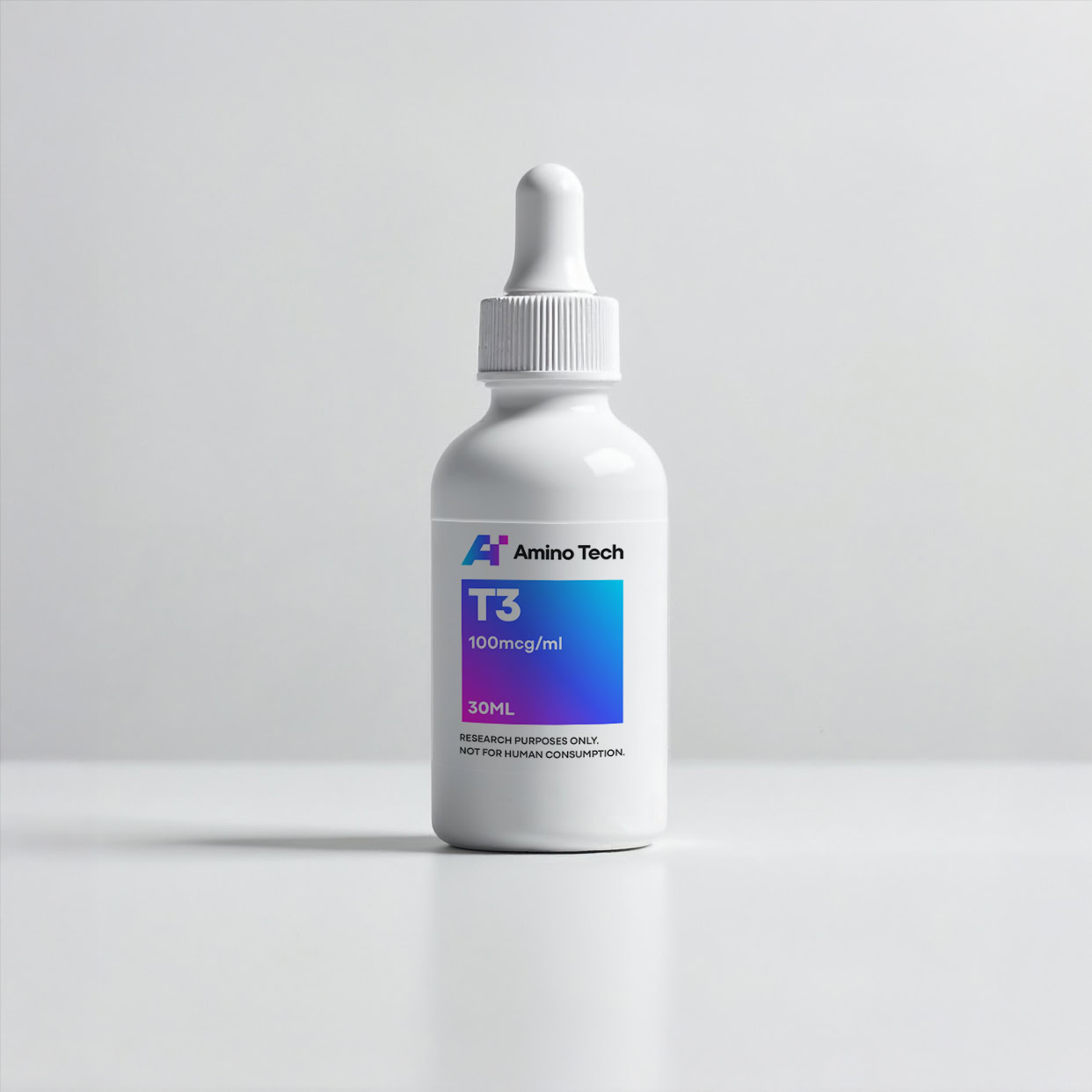

What is T3?
T3, or triiodothyronine, is a synthetic thyroid hormone commonly known in medical settings under brand names like Cytomel. It is one of the two primary thyroid hormones involved in regulating metabolic rate, energy production, and whole body physiology, alongside T4 (thyroxine). In performance contexts, it is discussed as a metabolism driver that can meaningfully change how the body burns energy.
Mechanisms of Action
T3 is the “active” thyroid hormone that directly influences metabolic signaling across tissues, including:
Upregulating metabolic rate: Increases cellular energy expenditure and heat production signals.
Shifting nutrient utilization: Often discussed for increasing fat burning signals, especially in calorie deficit phases.
System wide energy and mood effects: Can influence perceived energy output, motivation, and mood related endpoints.
Feedback on thyroid axis: Exogenous T3 can suppress endogenous thyroid signaling, depending on exposure and duration.
Benefits
Metabolic rate increase: Higher energy expenditure signals that may support fat loss phases.
Enhanced dieting adherence: Often used to counter the metabolic slowdown that can occur during prolonged calorie restriction.
Energy and mood support: Some individuals report improved mood and higher day to day energy, particularly if thyroid output was suboptimal.
Dosing
Because T3 has a shorter functional window, it is commonly split into multiple daily administrations.
Strength | Dose |
|---|---|
Low | 25 mcg per day |
Medium | 50 mcg per day |
High | 75 to 100 mcg per day |
Notes: Protocols should start around 25 mcg and titrate upward gradually based on response. Many protocols split the daily dose into 2 administrations per day due to its shorter half life. In clinical practice, T3 is often discussed as being paired with T4, rather than used alone.
Safety Profile
T3 is a high impact lever. It is often described as effective, but also easy to misuse, especially at higher doses or for long durations.
Side effects and risks discussed:
Cardiovascular strain: Increased heart rate and blood pressure signals, with higher risk in those with underlying cardiac issues.
Muscle catabolism risk: Higher doses can push the body toward a more catabolic state, particularly during aggressive deficits.
Bone density concerns: Long term or high exposure is associated with bone loss risk signals.
Endocrine disruption: Prolonged use can alter normal thyroid axis function.
Thyroid suppression: Exogenous T3 can suppress natural thyroid hormone production, and abrupt discontinuation may produce temporary hypothyroid like symptoms.
Rebound weight gain: Some people report rebound scale weight changes after stopping as metabolic signaling normalizes.
Stacking
Thyroid Support Stack (common clinical framing):
T3
T4
Fat Loss Stack
Tirzepatide
Clenbuterol
T3
Disclaimer: The information provided is intended solely for educational purposes and should not be considered a replacement for professional medical advice. All compounds referenced are not for human consumption.