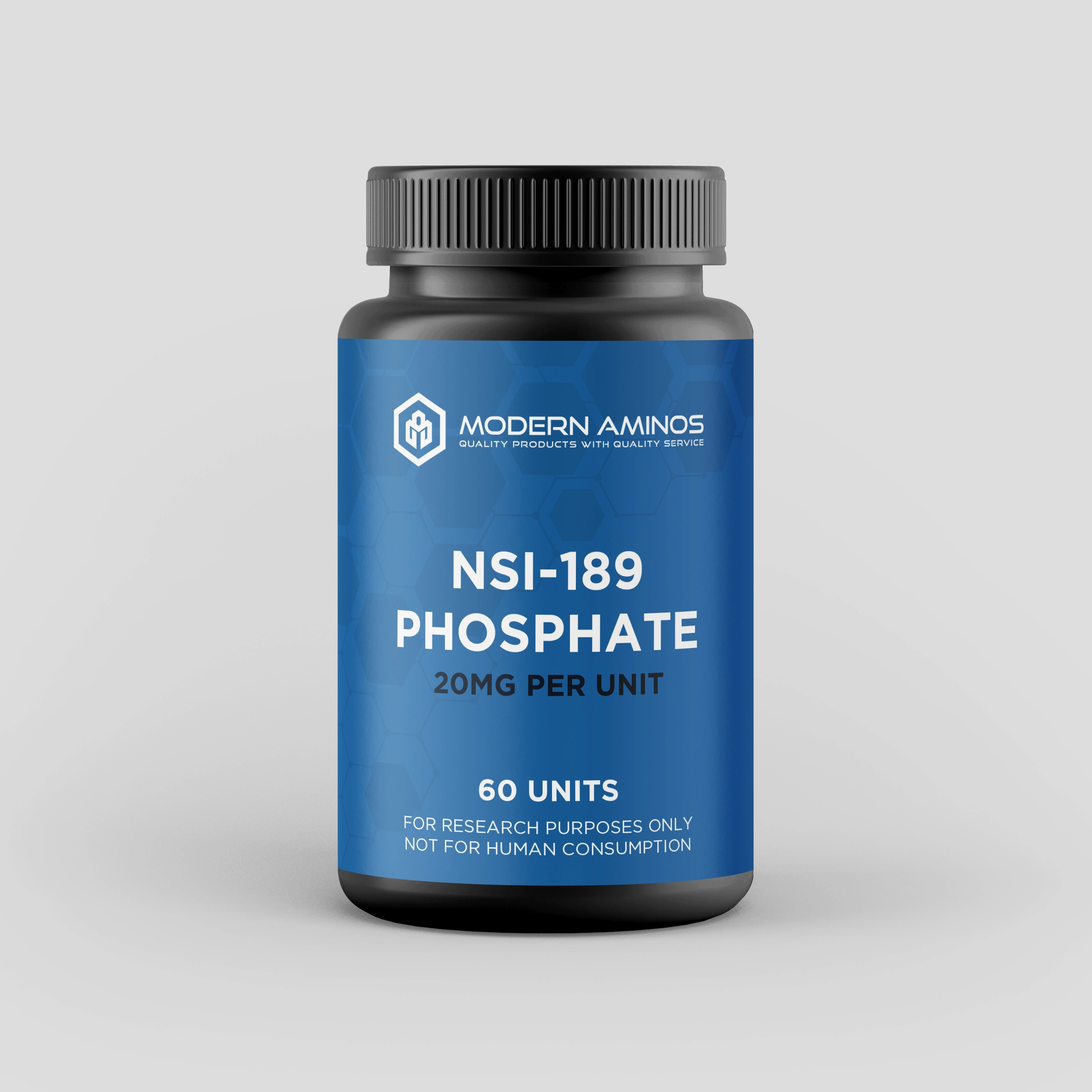

What Is NSI-189 Phosphate?
NSI-189 Phosphate is a synthetic derivative of nicotinamide and pyrazine that was developed as a neurogenic and neuroprotective compound. It is discussed for supporting neurogenesis, meaning the growth of new neurons, particularly in the hippocampus, a brain region tied to memory, emotion, and cognitive function. It was originally explored in the context of major depressive disorder and is also discussed for cognitive enhancement and neuroprotection.
Mechanisms of Action
Neurogenesis signaling: Discussed for promoting neurogenesis in the hippocampus, which may support mood and cognition
Synaptic connectivity support: May promote the growth of new neurons and synaptic connections, which is why it is discussed for learning and memory
Plasticity and survival pathways: Believed to interact with transcriptional pathways that regulate brain plasticity and cell survival, although the precise mechanism is not fully understood
Benefits
Mood support: Discussed for improving mood and reducing symptoms of depression in some research contexts
Cognitive support: Discussed for improving memory, learning, and executive function
Neuroprotection: Discussed for protecting against age related cognitive decline and stress or injury related damage
Anxiety support: Some users report reduced anxiety and improved emotional stability
Dosing
Strength | Dose |
|---|---|
Low | 20mg/day |
Medium | 40mg/day |
High | 60mg/day |
Doses are often split across the day at 2 to 3 doses daily.
Safety Profile
NSI-189 Phosphate is generally described as well tolerated in clinical trials, but individual response can vary. Potential side effects reported include:
Headaches
Dizziness, especially when starting
Irritability or mood swings
Fatigue or drowsiness
Long term safety data is still limited
Disclaimer: The information provided is intended solely for educational purposes and should not be considered a replacement for professional medical advice. All compounds referenced are not for human consumption.