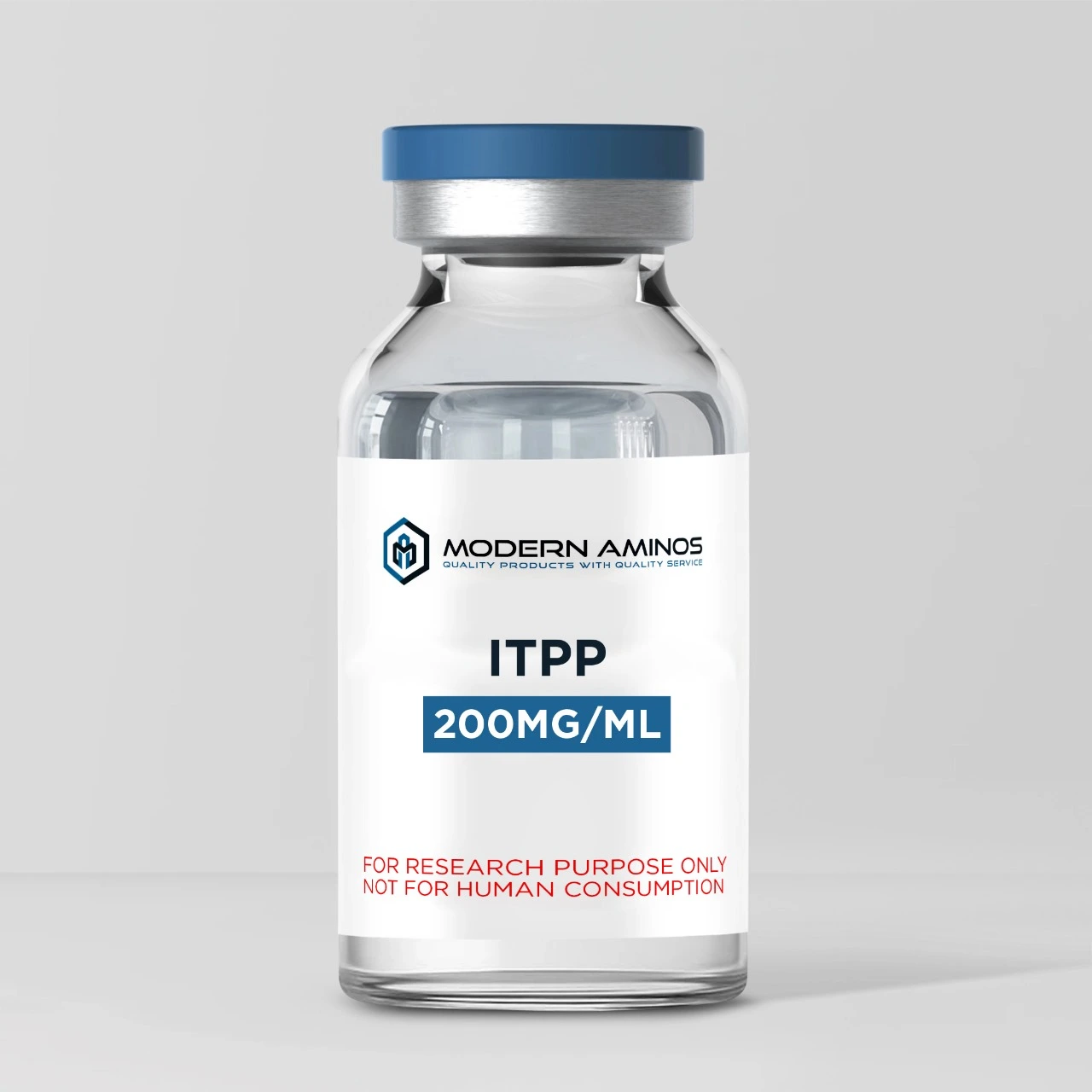

What is ITPP?
ITPP (myo-Inositol Trispyrophosphate) is a synthetic compound designed to enhance the oxygen-carrying capacity of red blood cells by modifying hemoglobin's affinity for oxygen. Hemoglobin normally binds oxygen tightly and releases it gradually to tissues. ITPP reduces this binding affinity, allowing more oxygen to be released precisely where it is needed most, particularly in tissues undergoing high metabolic activity like working muscle during exercise. The result is improved tissue oxygenation without altering the total oxygen content in the blood itself. In the performance space it has been compared to cardarine in terms of the energy and endurance effect it produces, and it is available as an injectable for direct bioavailability.
Mechanisms of Action
Hemoglobin oxygen affinity reduction by allosterically modifying hemoglobin's binding behavior, ITPP promotes the release of oxygen from red blood cells into surrounding tissue rather than holding it in circulation
Enhanced tissue oxygenation with oxygen being preferentially released in high-metabolic-demand environments like active muscle tissue, improving the efficiency of oxygen delivery precisely where it matters most during exercise
Improved aerobic energy production as greater oxygen availability in muscle tissue supports more efficient oxidative phosphorylation, sustaining aerobic output for longer before anaerobic pathways take over
Cardiovascular and hypoxia pathway modulation with early research suggesting ITPP may support heart function and improve oxygenation in tissues affected by cardiovascular disease or hypoxia-related conditions
Benefits
Increased endurance and delayed fatigue by improving oxygen delivery to working muscles, allowing users to sustain higher intensity output for longer before hitting the aerobic ceiling
Performance enhancement with the improved oxygen utilization efficiency translating to longer and more intense training sessions and cardio without the same rate of fatigue accumulation
Improved tissue oxygenation relevant beyond athletic contexts, with early research showing potential in improving oxygenation for individuals with cardiovascular disease or hypoxia-related conditions
Cardiovascular health support with early studies suggesting ITPP may be beneficial for heart function and certain cardiovascular disease models
Potential anti-cancer properties observed in very early research, with ITPP's oxygen-modulating effects being investigated in oncological contexts, though this area of research is still preliminary
Dosing
Dose | Frequency | Timing |
|---|---|---|
200 mg | 3 to 4 times per week on hardest cardio days | 30 to 45 minutes before training or cardio |
Administer via injection 30 to 45 minutes before a workout or cardio session. Best used on higher intensity training days where oxygen delivery and endurance are the primary limiting factors. The energy effect is described as clean and natural, comparable in character to cardarine, making it an excellent pre-cardio tool.
Safety Profile
Hemodynamic changes as a compound that directly alters oxygen-carrying dynamics in the blood, there is a theoretical risk of cardiovascular strain or imbalances in oxygen delivery to certain tissues if used incorrectly or at excessive doses
Unknown long-term effects with research still in early stages and no comprehensive long-term human studies available, the impact of extended use on liver, kidney, and overall metabolic function is not yet fully established
Early-stage research profile meaning the full side effect landscape in humans is not well characterized, warranting a cautious and conservative approach to dosing until more data becomes available
Disclaimer: The information provided is intended solely for educational purposes and should not be considered a replacement for professional medical advice. All compounds referenced are not for human consumption.