
What Is KPV?
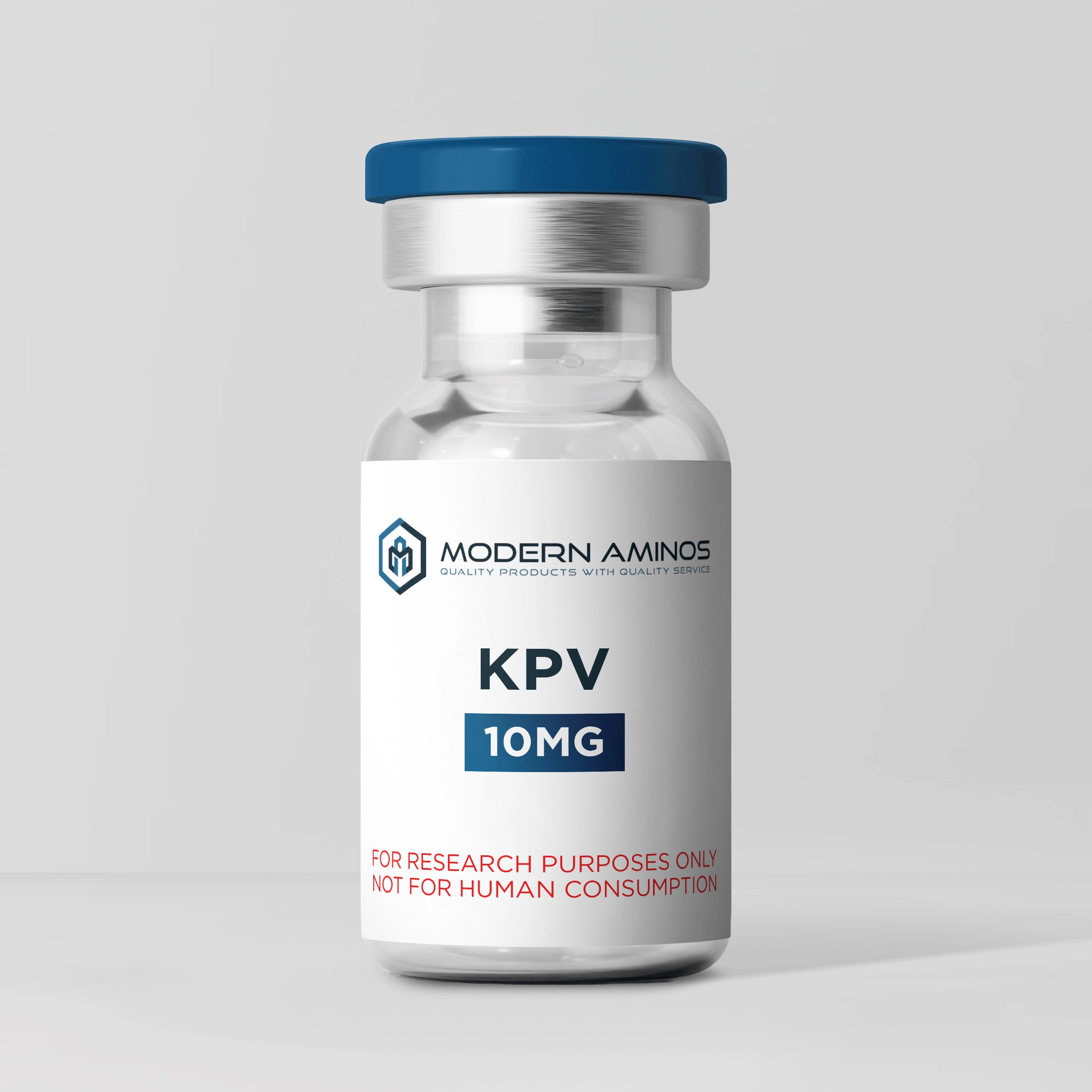
KPV (Lys-Pro-Val) is a tripeptide fragment of alpha-melanocyte-stimulating hormone (α-MSH). It is studied for potent anti-inflammatory, antimicrobial, and wound-healing activity, with common research interest in immune modulation, skin health, and gut inflammation management.
Mechanisms of Action
-
Anti-inflammatory action that inhibits pro-inflammatory cytokines such as TNF-α and IL-6, reducing systemic and localized inflammation.
-
Wound healing and tissue repair activity that promotes tissue regeneration and may reduce oxidative stress and scarring signals.
-
Antimicrobial effects with broad-spectrum activity against bacteria, fungi, and other pathogens, supporting immune defense and infection control.
Benefits
-
Skin health and inflammatory skin condition research interest, including models relevant to eczema, psoriasis, acne, and related inflammatory presentations.
-
Gut health and inflammation management interest, including gastrointestinal inflammation models such as IBD, ulcerative colitis, and Crohn’s disease.
-
Tissue repair and wound healing interest, supporting faster healing and reduced scarring signals in post-surgical recovery and injury repair models.
Dosing
|
Route |
Dose |
|---|---|
|
Oral |
500 mcg per capsule, typically taken 1 to 2 times daily |
|
Subcutaneous injection |
200 to 500 mcg daily, used for systemic inflammation control and immune modulation models |
Safety Profile
KPV is generally described as well tolerated, with minimal adverse effects reported in research discussions.
-
Topical use is commonly considered compatible with most skin types, with monitoring advised in sensitive skin contexts.
-
Systemic use is typically characterized as having a favorable safety profile in the research literature.
Stacking
Repair & Recovery Stack
-
KPV
-
GHK-Cu
-
BPC-157
-
TB-500
-
Glutathione
Disclaimer: The information provided is intended solely for educational purposes and should not be considered a replacement for professional medical advice. All compounds referenced are not for human consumption.